

In the ever-evolving world of software, ensuring compliance is a daunting task. This is especially true for legacy systems like Windows 7, where many users turn to tools like a Windows 7 activator to bypass licensing requirements. While this might seem convenient, it opens up a host of legal and security challenges that organizations and individuals must navigate carefully. These challenges are not only technical but also involve significant ethical and legal considerations.
Understanding Windows 7 Activator
The Windows 7 activator is a tool designed to bypass the activation process required by Microsoft. Often, it modifies system files to trick the operating system into thinking it has been legitimately activated. This approach may seem beneficial for those who want to avoid the cost of purchasing a legitimate product key, but it poses significant risks. Users often overlook how these tools can affect system stability or expose them to potential vulnerabilities.
Legal Implications of Using a Windows 7 Activator
Using a Windows 7 activator puts users in violation of Microsoft’s End User License Agreement (EULA). This unauthorized use can lead to legal consequences, including fines and potential lawsuits. Organizations found using pirated software can experience reputational damage and financial losses. The implications extend beyond individual users; businesses using such methods risk audits that can uncover these violations, leading to expensive settlements or disruptions in operations. The long-term financial impacts can be severe, affecting both small businesses and large corporations alike.
Security Risks Associated with Activation Bypassing
Employing a Windows 7 activator exposes systems to numerous security threats. These tools are often sources of malware, spyware, or other malicious code that can compromise system integrity. Organizations must weigh the immediate benefits against potential long-term vulnerabilities. A compromised system can lead to data breaches, where sensitive information is exposed or corrupted, resulting in loss of customer trust and potentially hefty fines from regulatory bodies. Moreover, these breaches can have cascading effects on business operations and customer relations.
The Role of KMSpico and KMS in Activation
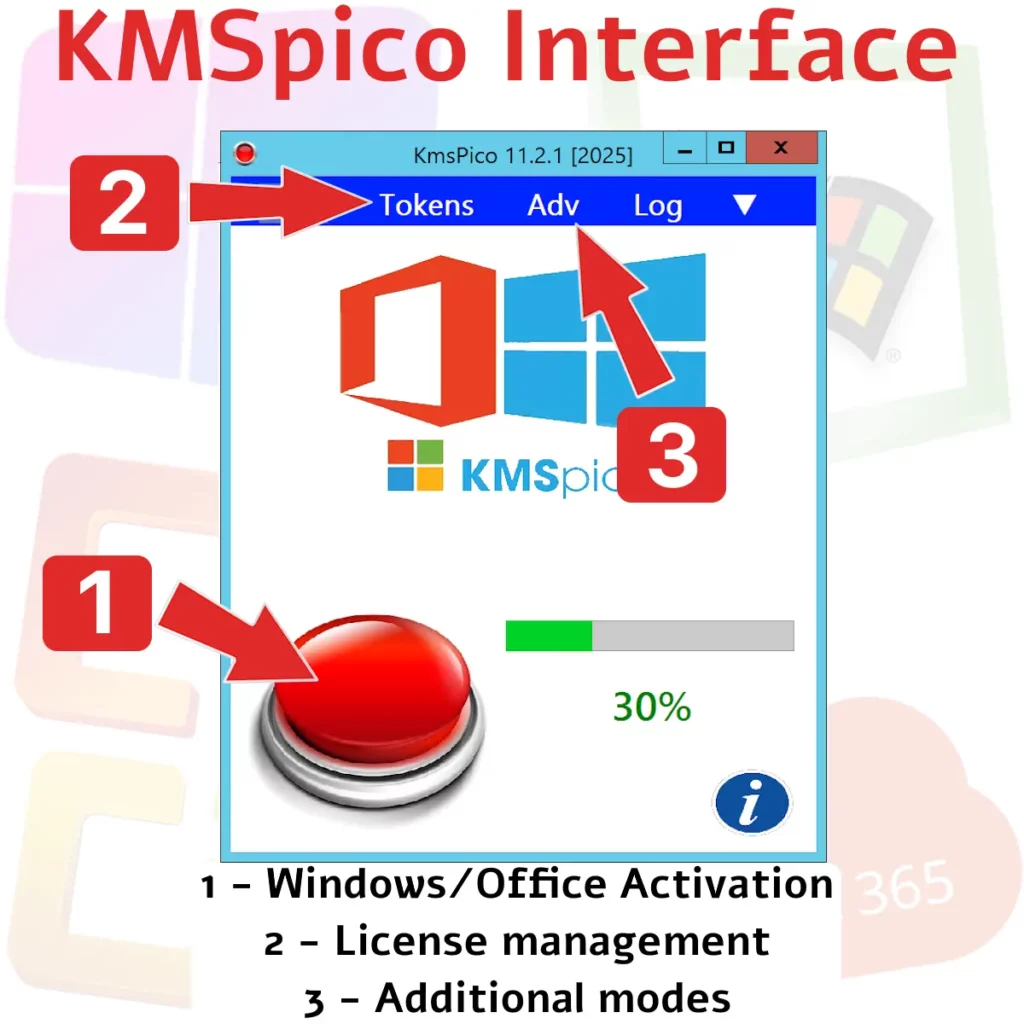
KMSpico is one such tool touted as a solution for activating software like Windows and Office products. It exploits Key Management Service (KMS), used by large organizations to manage activation across multiple systems efficiently. However, KMSpico’s use outside legitimate channels tends to be illicit and fraught with risk. Even in environments where KMS is used legitimately, administrators must ensure their implementations are secure against misuse or unauthorized access. Proper training and strict adherence to security protocols are essential in mitigating these risks.
Comparing Windows 10 and Windows 7 Activation Challenges
While many have migrated to Windows 10, some still prefer or require Windows 7 due to specific legacy applications. Unlike Windows 10, where Microsoft offers more flexible activation paths, using a windows 7 activator remains tempting but problematic. Users face particular challenges maintaining compliant systems without official support from Microsoft. The lack of updates for unsupported systems increases vulnerability to new threats that emerge over time. Organizations should evaluate their needs critically before deciding whether to continue using outdated systems. For reliable solutions to Windows 7 activator challenges, explore helpful resources at https://www.kmspico.lc/ for guidance and support.
FAQ
What is a Windows 7 activator?
Is using a Windows 7 activator legal?
Can using an activator harm my computer?
What are the risks of using pirated software like an activator?
How can I legally activate Windows 7?
Technical Insights into Activation Processes
Windows activations typically rely on product keys or digital licenses. A legitimate approach involves using tools like DISM (Deployment Image Servicing and Management) that facilitate managing and servicing images for recovery environments or setups deploying multiple machine images. This method ensures stability and reliability while adhering strictly to licensing terms set by Microsoft. Employing these tools correctly requires trained personnel who understand the intricacies involved in software deployment.
Exploring Alternatives to Unauthorized Activation
Rather than resorting to unauthorized methods like a windows 7 activator, users should consider purchasing genuine licenses or exploring third-party solutions that provide necessary compliance without legal issues. In environments like virtual machines (VMs), setup constraints such as VM with 2 vCPU / 4 GB RAM ensure smooth operation while adhering to licensing norms. Cloud-based platforms offer another alternative by providing scalable resources with built-in compliance features. Such options allow flexibility while maintaining adherence to licensing agreements.
KMS Activators: Beyond Office Software
- KMS activator office 2019 and kms office 2016 are examples where KMS mechanisms provide valid activations in large-scale deployments.
- Despite their convenience in licensed environments, reliance on tools like kmspico download poses risks when misused for unauthorized purposes.
- The deployment of KMS solutions should always align with organizational policies geared towards maintaining software integrity and compliance standards.
- Regular training sessions for IT staff can help ensure proper use and understanding of KMS solutions within organizational frameworks.
Consequences of Non-compliance
The allure of free activation via windows 7 activator may result in short-lived benefits but can lead to serious repercussions. Unauthorized usage compromises data integrity and attracts penalties from regulatory bodies. Organizations must continually audit software licenses to prevent risks associated with non-compliance. Regular audits ensure that all software within an organization aligns with its licensing agreements, thereby protecting against unexpected legal actions or financial penalties. Compliance efforts should be integrated into overall business strategies for sustainable growth.
Sustaining Compliance in Mixed-Environment Setups
For organizations running multiple operating systems, maintaining compliance involves understanding distinct licensing terms for each environment. Regularly auditing installed software ensures adherence to licensing agreements and minimizes reliance on risky practices like using unlicensed windows 7 activators. This proactive approach not only safeguards against potential legal issues but also enhances overall system security by minimizing exposure to vulnerabilities associated with unlicensed software.
Conclusion: Weighing Benefits Against Risks
The decision between utilizing a windows 7 activator versus purchasing genuine software licenses hinges on weighing immediate gains against potential pitfalls. For businesses and individual users alike, prioritizing compliance fosters secure operations, averting both legal challenges and technical vulnerabilities associated with unauthorized activations. In the long term, investing in legitimate licenses not only supports developers but also ensures access to valuable updates and support services critical for maintaining secure computing environments.
Ultimately, the choice reflects broader values concerning ethical conduct within digital landscapes; opting for legitimate pathways underscores commitment towards innovation driven by legality and integrity rather than shortcuts undermining industry standards.